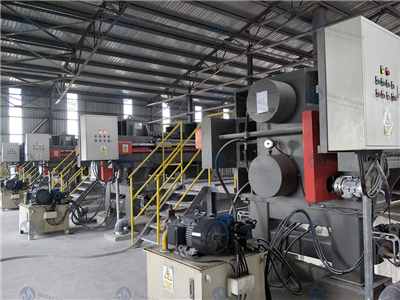


A ceramic drying line can store energy during off-peak hours and use it during peak hours. This helps reduce electricity costs and improve energy use. For ceramic plants, this is important because drying uses a large amount of energy.
For buyers and factory operators, energy storage is not only about saving money. It also affects production stability, power use, and long-term operating cost.
At Meibao, we provide complete ceramic drying line solutions. We can help customers improve energy use based on plant needs, drying process, and local power conditions.
What Is Off-Peak Energy Storage?
Off-peak energy storage means storing energy when electricity demand is low and power prices are lower. Then the stored energy is used later when demand is high and electricity prices are higher.
This method can help ceramic factories:
reduce energy cost
use electricity in a better way
lower pressure during peak hours
improve power supply stability
In a ceramic drying line, the stored energy can support the heating system, airflow system, or other parts of the drying process.
Common Energy Storage Methods for Ceramic Drying Lines
There are two main ways to store energy for a ceramic drying line:
thermal energy storage
electrical energy storage
Thermal energy storage stores heat. Electrical energy storage stores electricity. The right method depends on the drying process, plant scale, energy price policy, and project budget.
1. Thermal Energy Storage
Thermal energy storage is a common choice for ceramic drying lines. It stores heat during off-peak hours and uses the heat later during peak hours.
This method works well because ceramic drying needs heat directly. Instead of using electricity again during peak hours, the system can use stored heat.
Common thermal storage media:
hot water
molten salts
phase-change materials
Hot Water Storage
Hot water is one of the simplest thermal storage methods. Water is easy to get and the cost is relatively low.
In this system, water is heated during off-peak hours and stored in a tank. Later, the hot water is used to support the drying chamber or other heating needs.
Main advantages:
simple system design
lower storage cost
easy operation
suitable for many industrial projects
This method is often a practical choice for factories that want a simple energy-saving solution.
Molten Salt Storage
Molten salts can store a large amount of heat. They are suitable for systems that need higher heat storage capacity.
In this method, the molten salt is heated during off-peak hours and stored in a tank. Then the stored heat is released during peak hours for the drying process.
Main advantages:
high heat storage capacity
suitable for larger heat demand
good for long heat release time
This method is more suitable for projects with larger energy demand or higher heat storage requirements.
Phase-Change Material Storage
Phase-change materials, or PCMs, store heat when the material changes from solid to liquid or from liquid to solid.
This method can store a large amount of heat in a smaller space. It can be useful in some drying systems that need more compact thermal storage.
Main advantages:
high heat storage density
smaller storage space
good temperature control in some applications
This method may be suitable for special ceramic drying projects with specific heat control needs.


2. Electrical Energy Storage
Electrical energy storage stores electricity during off-peak hours and uses it during peak hours. This is usually done with batteries or other power storage systems.
In a ceramic drying line, stored electricity can support fans, conveyors, control systems, and sometimes electric heating equipment.
Common battery types:
lead-acid batteries
lithium-ion batteries
flow batteries
Lead-Acid Batteries
Lead-acid batteries are a traditional energy storage option. Their cost is lower than some newer battery types.
Main advantages:
lower initial cost
mature technology
widely used
Main limits:
lower energy density
more maintenance needs
larger installation space
This type may be suitable for projects with limited budget.
Lithium-Ion Batteries
Lithium-ion batteries are now widely used in many energy storage systems. They have higher energy density and better overall performance.
Main advantages:
high energy density
longer service life
faster response
less installation space
Main limits:
higher initial cost
higher control and safety requirements
This type is often more suitable for modern ceramic plants that want better efficiency and more flexible power management.
Flow Batteries
Flow batteries are another option for electrical energy storage. They are more flexible in some larger systems.
Main advantages:
long service life
flexible system scaling
suitable for larger storage demand
Main limits:
higher system cost
more complex equipment needs
This type may be suitable for large-scale industrial energy storage projects.
Why Energy Storage Matters in a Ceramic Drying Line
Energy storage can bring several direct benefits to a ceramic drying line.
Lower energy cost
This is the most direct benefit. The factory can store energy when electricity prices are lower and use it later when prices are higher.
Better production stability
Stored energy can help support the system during periods of high power demand. This can help reduce the risk of production interruption.
Better energy use
Energy storage can help the plant use power in a more balanced way. This can improve overall system efficiency.
Lower environmental pressure
Better energy management can reduce waste and improve the plant's overall energy performance.
How to Choose the Right Energy Storage Method
The best energy storage method depends on the actual project.
Thermal energy storage is suitable when:
the drying line mainly needs heat
the factory wants direct heat support
the project focuses on heating efficiency
Electrical energy storage is suitable when:
the factory wants more flexible power use
the system includes many electric loads
the project needs stronger peak power support
In some projects, both methods can be used together.
What Buyers Should Ask Before Choosing an Energy Storage Solution
Before choosing an energy storage solution for a ceramic drying line, buyers should check these points:
What type of energy does the drying system mainly use?
This helps decide whether thermal storage or electrical storage is more suitable.
What is the local electricity price policy?
If there is a big difference between peak and off-peak prices, energy storage may bring better cost savings.
How much energy needs to be stored?
This affects storage system size and project cost.
Does the plant have enough space for the storage system?
Some storage systems need larger tanks, battery rooms, or support equipment.
Is the system easy to control and maintain?
A good system should be safe, stable, and easy for daily operation.
Meibao Ceramic Drying Line Solution
At Meibao, we provide complete ceramic drying line solutions based on different materials, production targets, and plant conditions. We can help customers improve drying efficiency and energy use through:
drying system design
heat source matching
thermal energy storage solutions
automatic control systems
energy-saving integration
installation guidance and technical support
Our goal is to help customers build a ceramic drying line that is efficient, stable, and suitable for long-term production.
FAQ
Can a ceramic drying line store energy during off-peak hours?
Yes. A ceramic drying line can store energy during off-peak hours and use it during peak hours to reduce electricity cost.
What is the most common energy storage method for a ceramic drying line?
Thermal energy storage is a common method because ceramic drying mainly uses heat.
Can batteries be used in a ceramic drying line?
Yes. Batteries can store electricity for fans, controls, conveyors, and some electric heating systems.
How do buyers choose the right energy storage method?
Buyers should look at the drying process, local power price policy, energy demand, plant space, and project budget.